
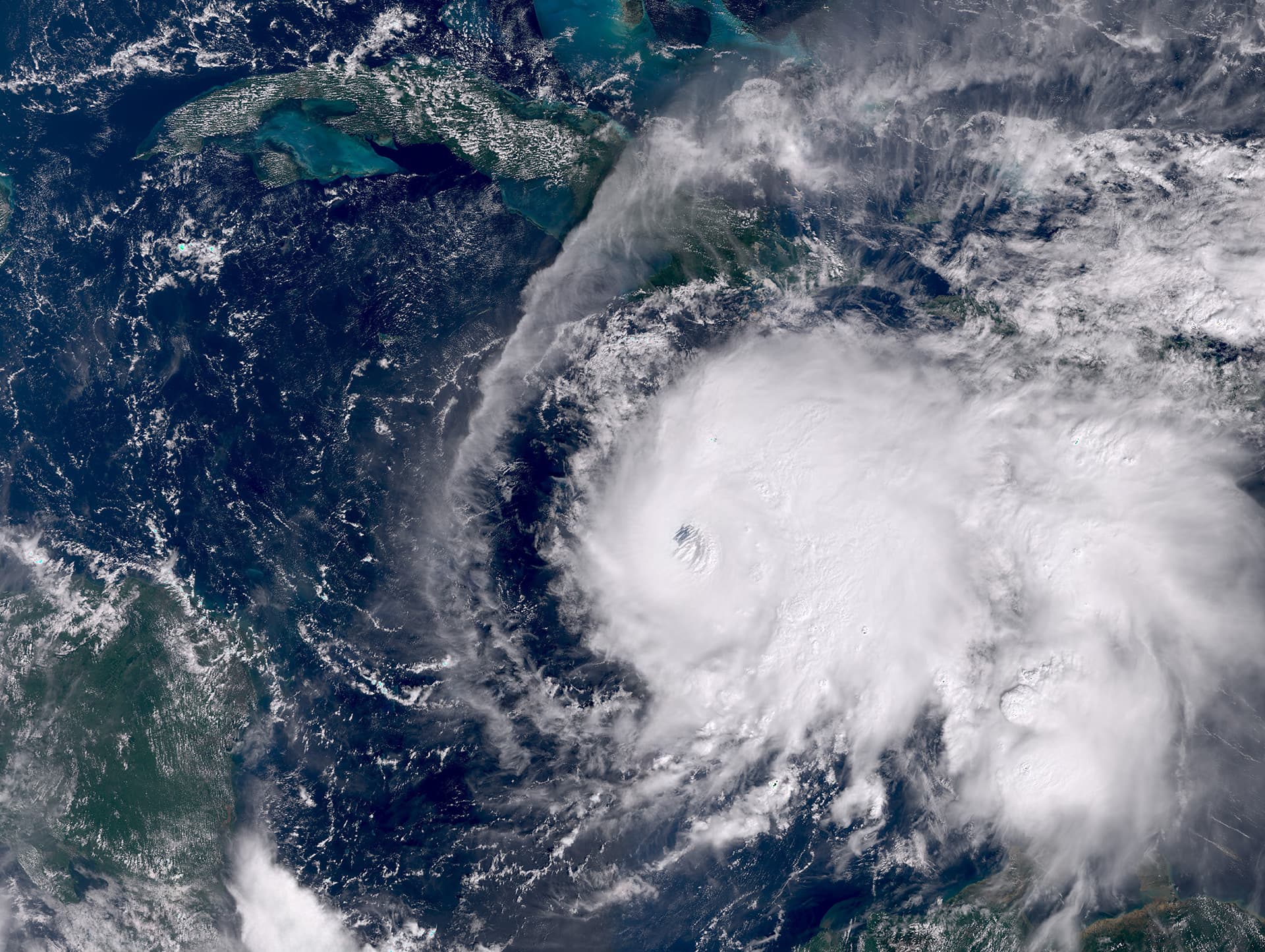
On October 28th, Hurricane Melissa hit Category 5 with 175mph, dumping 3 feet of rain onto Jamaica, making it the most catastrophic storm of the year. This storm broke through Haiti and Cuba and has already killed at least 40 people across the Caribbean. I will be writing about the environmental factors that impacted the storm, the state of the countries after the storm, and how it affected people in those areas.
How did the storm get so strong in the first place?
The Atlantic is unusually warm, 2.3 degrees Fahrenheit hotter than usual, which could make the storm four times more deadly since hurricanes take in more energy from warmer water. This rise in temperature is due to human-caused climate change. Utilizing this information, the researchers at Imperial College used the Imperial College Storm Model, which simulates tropical storms which can reveal how storms may work in the real world. According to this model, a hurricane this deadly would normally reach Jamaica once every 8,000 years in the cooler past, but now storms of similar fatality are expected once every 1,700 years. Climate change also fueled the cyclone speed by seven percent, and before making it to land, the hurricane went through two rounds of rapid intensification, which meant that the hurricane’s wind speed increased by at least 35 miles per hour over a 24 hour period. This is due to certain factors like warm water, low wind shear and high atmospheric pressure, all of which relates to climate change. Ultimately, man-made climate change impacted the storm the most, making the storm more dangerous than it might initially be.
What was the aftermath of the storm?
When the hurricane began heading towards Bermuda, a path of destruction was left behind. Emergency officials went to pick up the pieces of the destruction to clear roads so that they can reach isolated communities that may need help. About 77% of Jamaica was left with no electricity. Cuba had 735,000 people evacuated while at the Bahamas, despite the storm calming down to a Category 1, an estimated 1,485 residents evacuated. Authorities had uncovered 4 bodies from the damage in the badly hit St. Elizabeth Parish and confirmed eight more deaths in Westmoreland, Hanover, and St. James. In Haiti, 23 people already died, 13 are missing, and 20 died due to flooding by a river in Petit-Goâve. Not only that, but also almost 36,000 people really need food assistance and 100,000 houses have been affected.
Thankfully, other countries are willing to help after the adversity. The UK says that they’re lending 2.5 million euros for emergency humanitarian funding and China shared a video showing hundreds of boxes called “family kits” transported from a warehouse to Cuba. There’s hope that all those countries affected by the storm would be able to get back up and prosper again.